I thought I had a pretty good idea of what it would be like to lose my eyesight.
Sometimes at night when I need to go for a wee, I don’t bother to turn on the lights. I know my way to the toilet, and I know what obstacles might make me fall on my face. When I’m feeling particularly Zen, I’ll even aim into the bowl without the assistance of artificial light.
Feeling proud of my oneness with my surroundings, I’ve often thought that I’d be alright if I went blind. Don’t get me wrong: it would be awful, but I thought that I’d be able to manage.
I was wrong. Thanks to Warsaw’s Niewidzialna Wystawa (‘Invisible Exhibition’), I got the opportunity to try to cope with temporary blindness. I was rubbish. It’s one thing to be able to navigate a room that you’ve seen a thousand times before, but facing unfamiliar rooms without being able to see is completely different.
A group of us were taken into a pitch black room. A blind person acts as your guide, but for a lot of the time you’re left to your own devices. You’re led through a series of everyday scenarios. Even with my eyes wide open, I could see nothing.

We weren’t allowed to take photos, but this is about right.
I relied on clutching a the wall with one hand, tentatively grasping forward with the other. I was checking for obstacles in my path, but I was just as often hitting someone’s boob. Sometimes I’d reach forward and hit something more acceptable, like a hand or an arm, but it was mostly boob. I’m surprised that the room wasn’t illuminated by the glow from my blushes.
I’ve no idea how big the rooms were. I was utterly terrified at the prospect of open space. I tried clicking my tongue to see if I could gauge my surroundings using echolocation. Turns out I can’t.
After 45 minutes, we were brought to the exit. We groped for the door and made our way out. My eyes adjusted to the light, and I felt relief and gratitude.
I’ve seen blind people navigating the Tube aided by nothing more than a stick. I’m even more impressed now. I would be a gibbering mess, crawling on all fours or clinging to a commuter’s back for safety. Even if I was walking upright, I would be taking fairy steps and committing one unintentional sexual harassment after another.
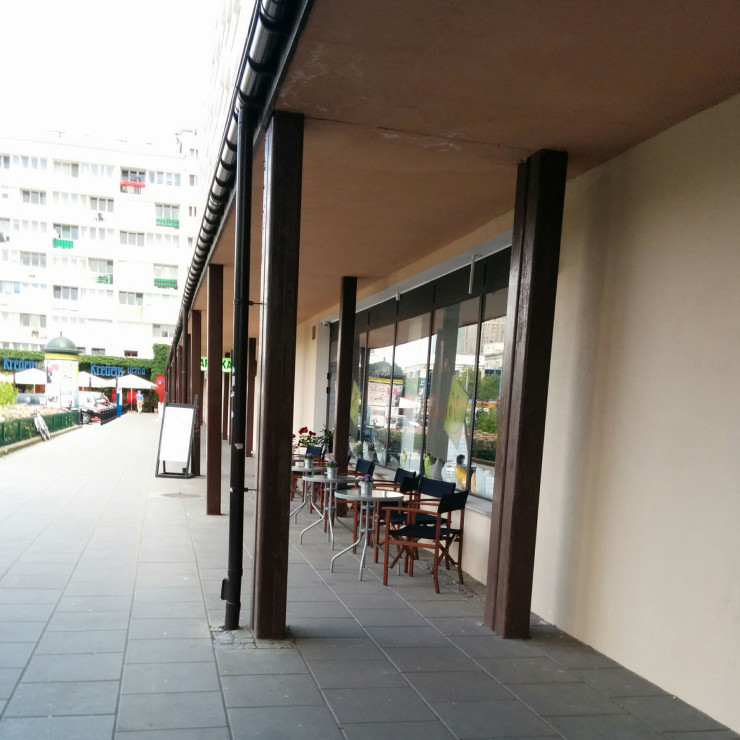
If I were to adopt my wall-hugging approach here, I’d fall face first into a table. At the pace I was walking in the room, a typical 30 minute walk would take me all day.
That’s where good street planning comes in, right? That should go some way to helping blind people to make their way around.
Sadly, Britain still has a long way to go. In a survey conducted by Guide Dogs UK, 63% of blind or partially sighted people reported having been injured by obstacles on the street.
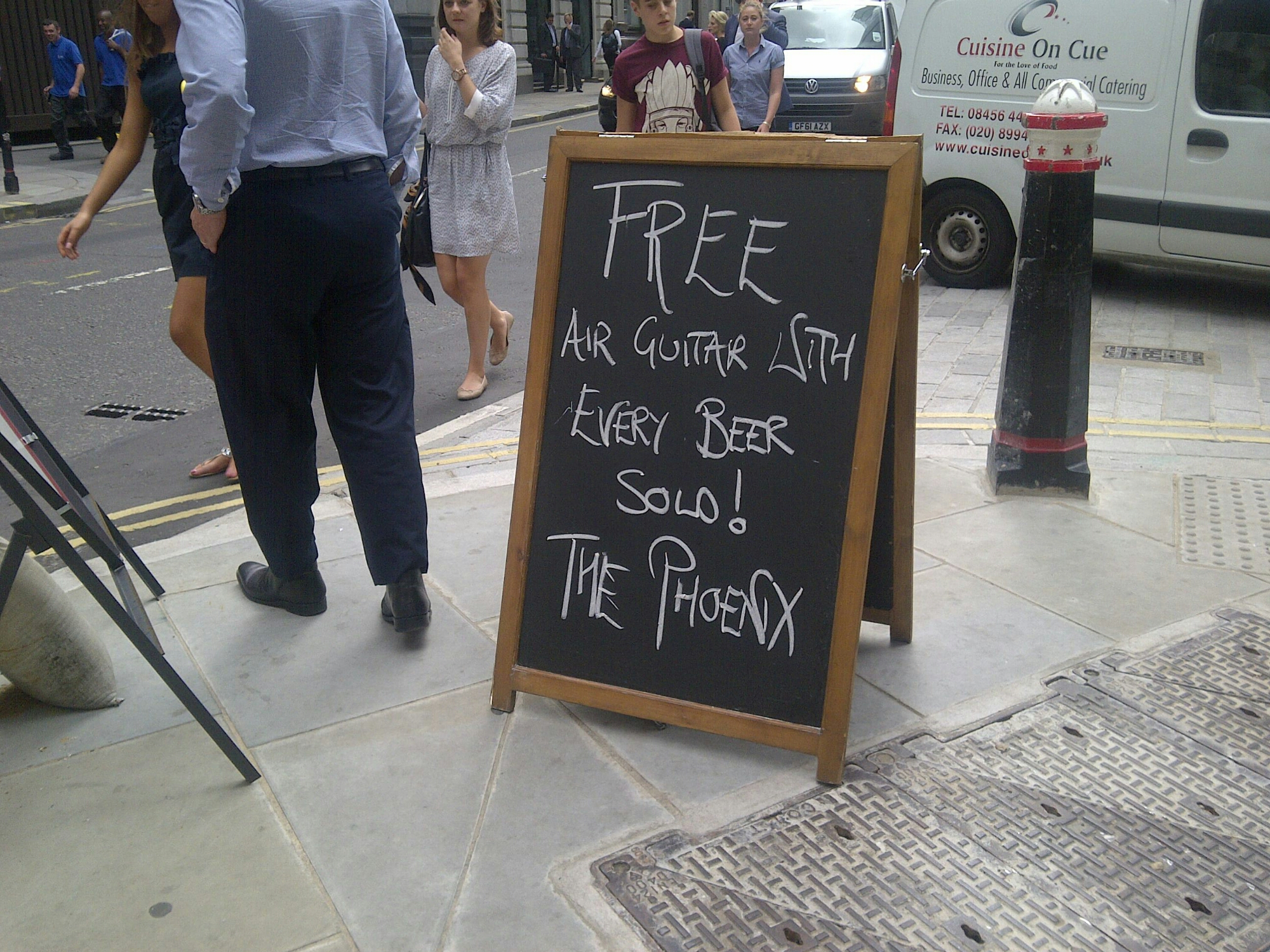
A-Boards. Close your eyes and try walking down a street littered with these. By the end, you’ll think they’re even less funny.
With so many accidents waiting to happen, it’s easy to see why going outside would be a worrying prospect. It could go some way to explaining why only one third of blind or partially sighted adults are in employment, and why almost half of blind and partially sighted people feel ‘moderately’ or ‘completely’ cut off from people and things around them (RNIB).
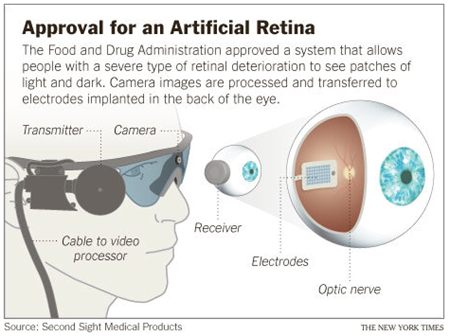
Technologies such as Second Sight’s ‘Argus II’ can help overcome some forms of blindness to an extent, but these solutions are not suitable for everyone and are far from perfect.
Whilst redesigning cities from the ground up isn’t a practical option in most cases, Guide Dogs UK have listed a number of more immediate steps to make streets safer. Simple things like not straddling your car on the pavement (when parking or when driving), and not leaving your wheelie bin out in the middle of the path can be a big help.
But what if we were able to redesign urban zones with the blind in mind? Like any self-respecting blog post, I’ve found a thought-provoking TED Talk to close with.
Chris Downey is an architect who lost his sight following brain surgery. He talks about how he copes with blindness, and his strategies for getting around. He is able to orient himself by feeling the sun on his face. That is incredible. I’m hopelessly reliant on GPS. I’m convinced that if the GPS satellites failed I would remain fixed to the spot, slowly turning in circles until I died of starvation.
Towards the end, he shares his idea of what a blind-friendly city would look like: Wide, pedestrianised areas with great public transport links. It would benefit everyone, sighted or not. And we wouldn’t have to put up with shit jokes on A-Boards any more.
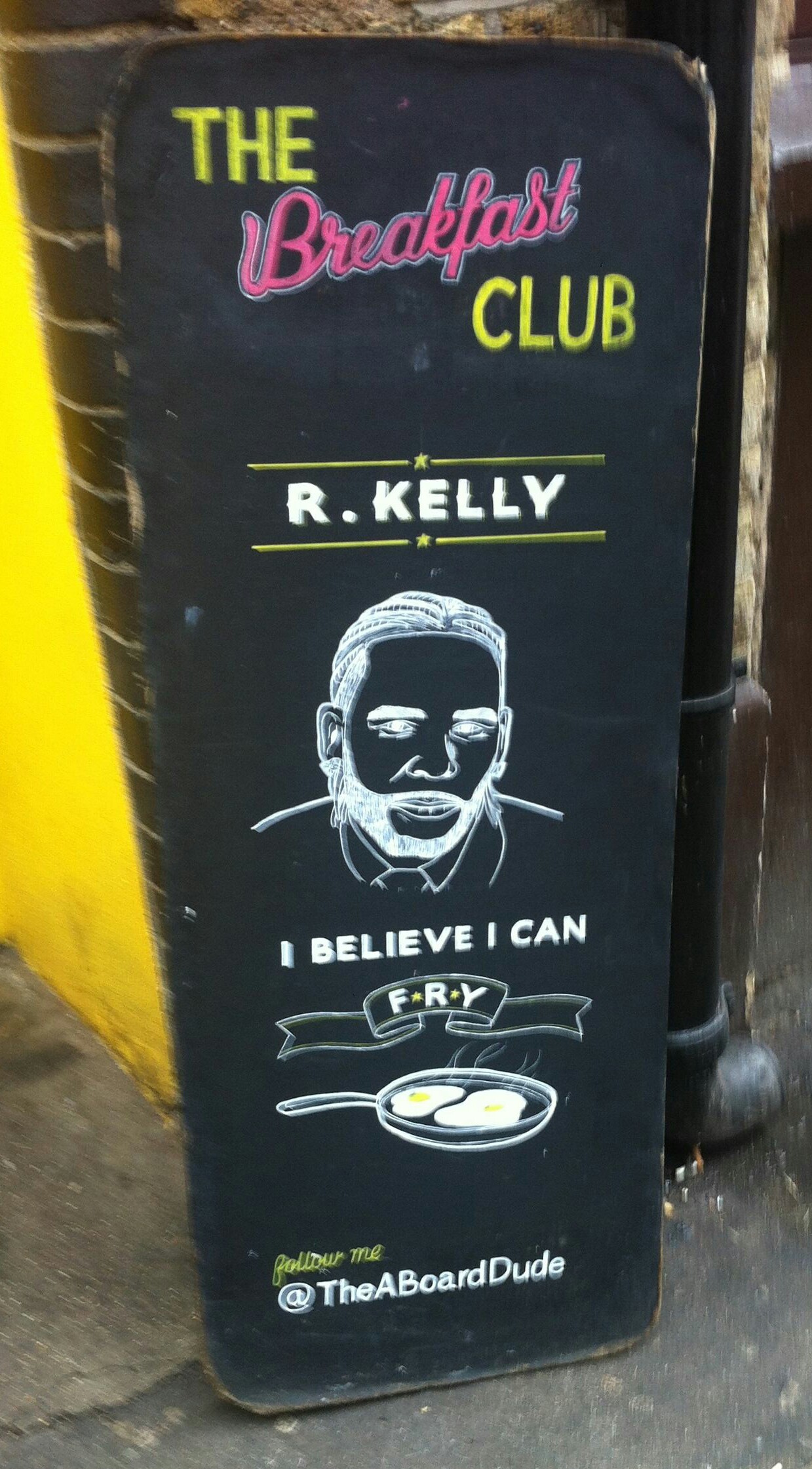
Yep. Count me in.
You can find the full TED Talk here, and more information about Niewidzialna Wystawa here.